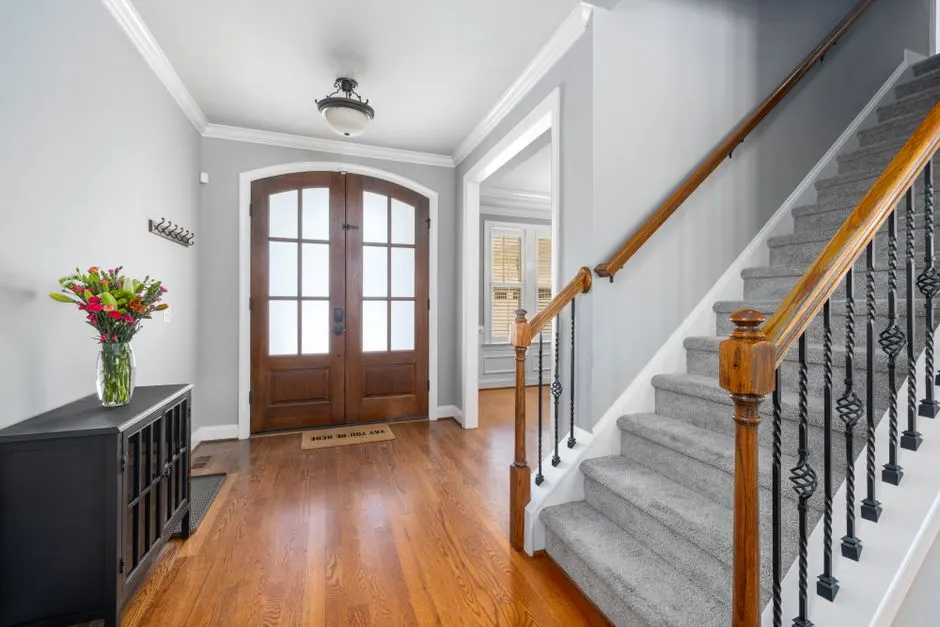
Full masking and dust containment
Plastic sheeting on the stairwell, rosin paper on the floors at both ends, and a dust containment system with HEPA filtration running the whole time we sand. We wipe down the surrounding floors before we leave.
Every staircase quote covers the core work: protection, sanding, repair, stain and finish. Tread replacement, railing refinishing and newel post work are priced separately because they vary so much from job to job. Here is what you get as standard.
Plastic sheeting on the stairwell, rosin paper on the floors at both ends, and a dust containment system with HEPA filtration running the whole time we sand. We wipe down the surrounding floors before we leave.
Drum sander on the flat runs, edge sander on the sides, buffer for the final pass. We take the old finish back to bare wood so the new stain soaks evenly. One to two days on a standard run.
Every tread gets checked for movement. Loose boards get re-nailed with a flooring stapler and glued, gaps get filled with wood filler, and squeaky floors get silenced while the finish is off.
Hand-applied stain tested on an offcut of your tread first, then three coats of polyurethane finish with a light screen between each. A fourth coat goes on the leading edge of every tread where feet land hardest.
We walk the job with you, point out anything to watch, and leave labeled touch-up stain and a care sheet. Light foot traffic after 24 hours, full cure at 7 days.
Stair refinishing and installation Austin TX is a wood-finishing and carpentry service that strips the old finish off treads, risers and handrails, repairs or replaces damaged boards, and rebuilds the stain and topcoat so the staircase matches the flooring it lands on. It is needed when treads are worn gray in the center, when a remodel swaps carpet for hardwood, or when a new build needs stairs installed from bare stringers. We pull the old nosing with a pry bar, set new treads with a flooring stapler and nail gun, then sand the whole run with a drum sander, edge sander and buffer before any stain touches the wood.
Austin staircases take a beating from our climate. Humidity swings from 30% in February to 80% in June push solid hardwood planks into cupping and crowning, and stairs feel it first because every tread is a short board with open edges. Add pet stains, sun fading through a west-facing window, and squeaky floors from a loose riser, and most staircases here are ready for work by year fifteen. If you have been searching stair refinishing and installation Austin TX near me and getting thin quotes, ask what moisture meter reading they take before sanding. We take ours on every job.
Every staircase job follows the same five steps, whether it is a straight run in Zilker or a switchback with a landing in Westlake. Here is what you actually experience, day by day.
Schedule
Call or book online — a real human picks up and confirms a 2-hour arrival window.
Diagnose
Licensed tech inspects on-site, then walks you through the cause and your options.
Fix
The job is completed to code and done right the first time — no shortcuts, no surprises.
Guarantee
Every job backed by a written workmanship warranty — and we stand behind it.
Drum sander
Takes the old finish and the top layer of wood off flat treads in even passes. We control the cut depth so we do not dish out the tread surface.
Edge sander
Gets the sides of treads and the stringer faces where the drum cannot reach. Essential on staircases because every tread has two exposed edges.
Buffer
Final smoothing pass before stain. Removes the swirl marks the drum and edge sanders leave behind so the stain soaks in evenly.
Flooring stapler and nail gun
Sets new treads and re-secures loose ones. We use the stapler on the tread face and the nail gun for risers and trim where the head needs to disappear.
Moisture meter
Reads the wood and subfloor before we sand. If the reading is too high, we wait or address the source before finishing, because trapping moisture under a coat causes cupping.
Oscillating multi-tool and pry bar
Cuts out damaged treads and lifts old nosing without tearing up the stringer. Clean removal is what lets us fit a new tread tight to the existing run.
Dust containment system
HEPA filtration with sealed plastic barriers. Keeps fine dust out of your HVAC and off your furniture during sanding.
NWFA sanding and finishing standards
We follow the National Wood Flooring Association's guidelines for cut sequence, sanding grit progression and finish coats. It is the industry standard, and it is why our finishes hold up under daily traffic.
Stain sample on an offcut
Before any stain touches your staircase, we test it on a piece of your actual tread. Duraseal and Minwax tones get compared under your lighting, not the shop's, so the match is real.
Three-coat polyurethane finish
Two coats is the minimum most crews do. We run three, with a fourth on the leading edge of each tread. The extra coat is what keeps the finish from wearing through at the nose.
EPA Lead-Safe Certified protocols
On pre-1978 homes, we test for lead and follow containment and cleanup rules set by the EPA. Wet-sanding and HEPA vacuuming keep lead dust out of the air during the job.
01
What we do: We tear out the carpet and tack strip, sand the treads and risers back to bare wood, replace any tread that is cracked or too thin, and finish the run to match the new floors going in downstairs.
→ A finished hardwood staircase that looks original to the house, usually in five to six working days.
02
What we do: We mill and fit solid hardwood planks as treads, install risers, set the nosing, and finish the whole run on site. Stain gets matched to the main floor before the first coat goes down.
→ A staircase ready for move-in, with a finish that matches the floors and a 1-year workmanship warranty.
03
What we do: We test for lead, follow EPA Lead-Safe Certified containment protocols, and wet-sand to keep dust down. The old finish comes off safely, and the new stain goes on over bare wood.
→ A safe refinish on an older home, with the original treads preserved and the character intact.
04
What we do: We work after hours and on weekends, section by section, so half the staircase stays usable at all times. Dust containment keeps the lobby clean for morning arrivals.
→ A refinished staircase with zero lost business days and no disruption to tenants.
Austin staircases live in a climate that swings hard. Summer humidity pushes 80% and winter can drop to 30%, and that cycle moves wood. Solid hardwood planks on a staircase expand and contract more than the same wood on a floor because every tread is a short board with two open ends. We check moisture content with a meter before sanding and again before the first coat, and we leave expansion gaps at the stringer where the wood needs room. Older homes in Travis County, especially pre-1978 builds in Hyde Park and Travis Heights, often have lead paint under the old finish, so we test and follow EPA Lead-Safe Certified protocols on those jobs. Newer builds out in Cedar Park and Pflugerville usually have engineered hardwood planks on the main floor, and we match the staircase stain to that tone. If you are looking for staircase wood work in Austin open now, we are on the phone weekdays and can usually get out for an estimate within 48 hours. Most of our stair work sits inside ZIPs 78749, 78745 and 78744, with regular jobs out to Round Rock and Georgetown.
Hyde Park
Pre-1978 bungalows with original longleaf pine treads. Lead-safe protocols and gentle sanding matter here because the wood is old and thin.
Circle C
1990s two-stories with oak treads and carpet. Most jobs here are carpet removal plus refinishing, and the treads usually need two or three replacements.
Westlake
Larger homes with switchback staircases and landings. Railing refinishing and newel post work are common add-ons on these jobs.
Downtown Austin
Condos and small commercial spaces with tight stairwells. After-hours scheduling keeps the building open during the day.
Cedar Park
Newer builds where the main floor is engineered hardwood. Stain matching to the engineered tone is the main focus on these staircases.
Humidity swings from 30% to 80% across the year
Wood moves more than in drier climates, so we meter every job and leave expansion room at the stringer. Skipping this step is why some Austin staircases cup within a year of finishing.
Pre-1978 homes with lead paint under the finish
We test and follow EPA Lead-Safe Certified containment and cleanup rules. Wet-sanding and HEPA vacuuming keep the dust out of the air during the job.
Strong sun through west-facing windows
UV fades stain on the sunny side of a staircase faster than the shaded side. We recommend a UV-resistant topcoat on those runs to slow the fade.
Carpet-to-hardwood conversions in 1990s builds
Treads under old carpet are often stapled and rough. We pull staples, fill the holes, and sand past the damage before staining.
Most staircases do not fail all at once. They wear in the center of the tread, squeak at the riser, and fade on the sunny side. Here are the problems we see most, and what happens if you leave them alone.
Problem
Bare wood soaks up moisture and stains, and the gray spreads outward until the whole tread looks tired. Sanding gets harder the longer you wait.
Our Fix
We sand the worn area back to bare wood, feather it into the surrounding tread, and rebuild the finish with three coats. Most worn treads come back to full color in a single pass.
Problem
A squeak means movement, and movement means the finish will crack along the joint line. Left alone, the riser can work loose enough to need replacement.
Our Fix
We re-nail every loose tread with a flooring stapler, glue the riser joints, and shim any gaps. The squeak is gone, and the finish has a stable surface to bond to.
Problem
Urine stains go deep into the wood and come back through most finishes. The smell lingers in the stairwell and gets worse in humid months.
Our Fix
We sand past the stain where the wood allows, treat the remaining area with a stain-blocking sealer, and finish over it. If the stain is too deep, we replace that tread and match the new one to the run.
Problem
Water wicks up the bottom tread and riser, causing warping from humidity and a soft spot that will not hold a finish. It spreads upward over time.
Our Fix
We cut out the damaged tread, check the stringer for rot, replace what is soft, and rebuild the finish. We also look for the source, usually a nearby door or a slow leak, and flag it before we close up.
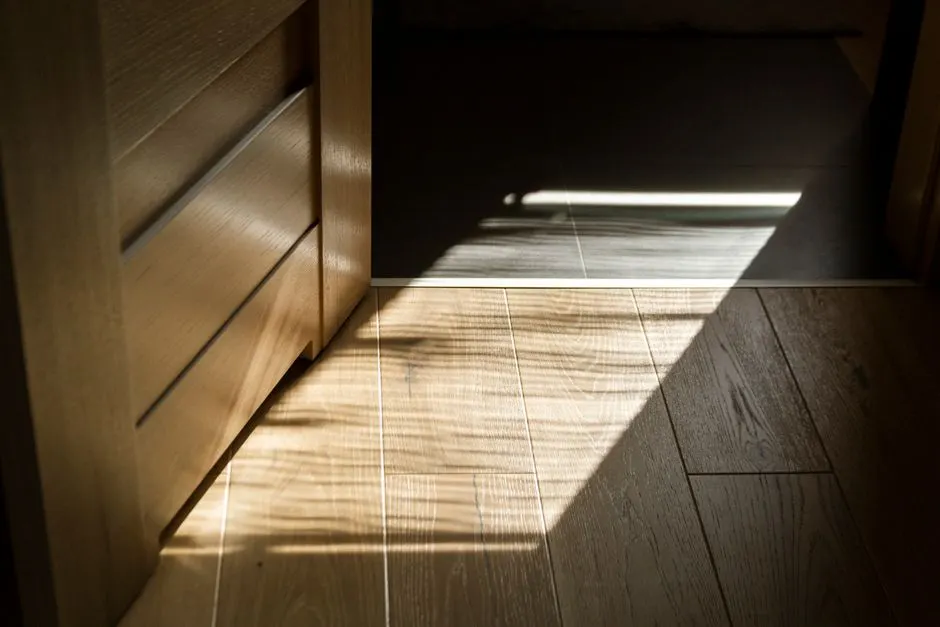
A full staircase replacement runs into five figures fast. Refinishing and selective tread replacement gets you the same look for a fraction of that, and it keeps the original wood that gives older Austin homes their character.
Match floors, not fight them
We sample stain on an offcut of your actual tread before committing. Duraseal and Minwax tones get tested against your existing floor so the staircase reads as one continuous surface, not a patch job. Most color matches land within one shade step on the first or second sample.
Fix the squeaks while we are in there
Loose treads and risers are why stairs talk. Once the old finish is off, we re-secure every tread with flooring nails and construction adhesive, shim the gaps, and fill seams with wood filler. You get a quiet staircase and a finish that will not crack along the joint lines.
Dust you can live with
Sanding stairs without containment coats your whole house. We run a dust containment system with HEPA filtration and plastic the doorway, so the fine dust stays in the stairwell. Most families stay home during the job. One Cedar Park customer ran her home office upstairs the entire week.
A finish that survives kids and dogs
We build three coats of polyurethane finish on treads, with a fourth on the leading edge where feet land. That is the difference between a staircase that looks good for two years and one that holds up for ten. Bona and Duraseal products cure hard and resist the scuffs that come with daily traffic.
Google ★★★★★4.9
Refinished our staircase in Circle C after we pulled the carpet. Treads were rough but they saved them, matched the stain to our oak floor, and the dust containment meant nothing got on the furniture. Five days start to finish.
Yelp ★★★★★4.8
Switchback staircase in Westlake with a squeak we had lived with for years. They re-nailed every riser while refinishing and the squeak is gone. Handrail looks new. Fair price and no surprises.
BBB ★★★★★5.0
Commercial job in Downtown Austin, worked after hours so we never closed. Refinished the lobby staircase and left the space spotless. Second time we have hired them.
Google ★★★★★4.9
New build in Cedar Park, needed treads installed on bare stringers. They milled solid treads on site, matched the stain to our engineered floor, and walked us through the cure time. Clean work.
General Wood Flooring LLC has been in business since 2022, and stairs have been part of the work from the first month. Our lead finishers hold NWFA Certified Sand & Finisher credentials, and the crew is EPA Lead-Safe Certified, which matters on pre-1978 homes in Travis Heights and Hyde Park where lead paint may sit under the old finish. We have refinished and installed staircases across Travis County, from single straight runs to switchbacks with landings and curved railings. Every job gets a moisture meter reading before sanding and a written scope before we start.
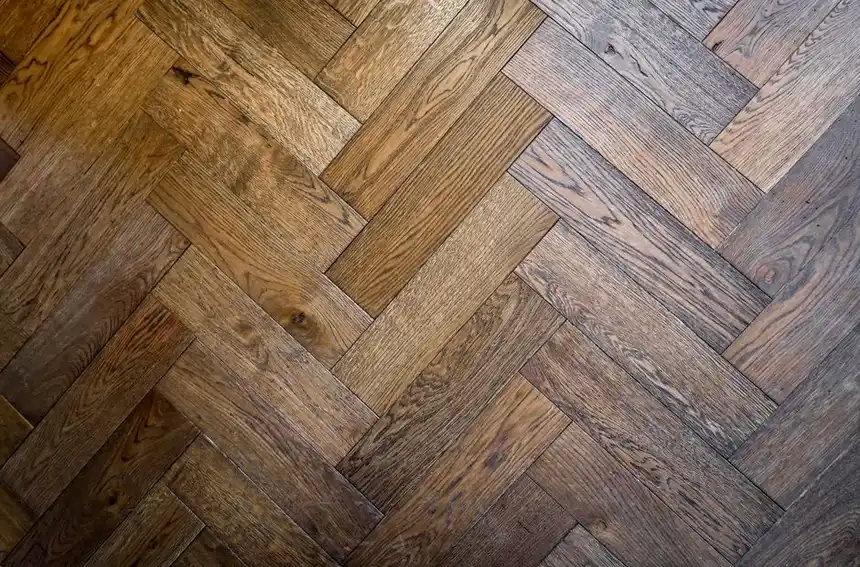
Real experiences from customers who chose our Stair Refinishing & Installation services.
“We had carpet pulled off the stairs and the treads underneath were a mess, gray and cupped. General Wood Flooring replaced four treads, sanded the rest, and matched the stain to our oak floors. The dust containment was the real surprise, no film on anything upstairs. Finished in five days like they said.”
Marcus T.
Homeowner, Circle C
“Our switchback staircase with the landing had a squeak that drove us crazy for two years. They re-nailed and glued every riser while they were refinishing, and the squeak is gone. Stain match to the downstairs floor is dead on. Worth every dollar.”
Priya R.
Homeowner, Westlake
“We manage a small office building with a wood staircase in the lobby. They worked after hours so we never closed, refinished the treads and handrail, and left the space spotless. Second time we have used them, and we will use them again.”
Dale W.
Property Manager, Downtown Austin
Real answers to the questions we hear most often from local homeowners and property managers.
Most stair projects start because the floors are getting redone. We install the main floor and the staircase in one visit so the stain and finish match from the first tread to the last board.
View Hardwood Floor InstallationEngineered hardwood planks handle Austin humidity swings better than solid in some rooms. We use them on landings and upper hallways, then tie the staircase finish to the same tone.
View Engineered Hardwood InstallationSolid hardwood planks are the right call for treads and nosing because they take nails and hold an edge. We mill and fit solid treads to your existing stringers on most installs.
View Solid Hardwood InstallationIf the floors and stairs are both worn, refinishing them together saves a second mobilization and guarantees the stain reads the same under the same lighting.
View Hardwood Floor RefinishingOur dust containment system is standard on stair jobs and floor jobs alike. HEPA filtration keeps the fine dust out of your HVAC and off your furniture.
View Dustless Sanding & RefinishingWant the staircase darker or lighter than the floor? We mix custom stain and test it on an offcut of your tread before committing to the full run.
View Floor Staining & Color ChangeCall us at 512 877 7960 or send an email and we will get back to you the same business day. We answer the phone Monday through Friday, 8am to 6pm, and we run 24/7 emergency response for water-damaged floors. Same-day estimates across Austin and Travis County.
Phone
512 877 7960Address
6900 Deep Cir, Austin, TX 78744
Hours
Mon–Fri: 7AM – 7PM
Sat: 8AM – 4PM
Sun: Emergency Only
24/7 Emergency Available